Oct 30, 2026
There’s no question, Halloween marketing has officially lost its mind.
Pringles is offering fans the chance to spend eternity inside one of its iconic cans. Bush’s Beans recruited a witch to cast a spell for good Halloween weather. And Cup Noodles created vampire noodles that turn blood-red when you add hot water.
In a DMA far from Madison Ave, a perfectly normal and on-brand pumpkin-shaped chocolate is feeling very inadequate.
Seasonal marketing has always been a competition, somewhere along the way it’s evolved into a competition to see which brand can be the most outrageous.
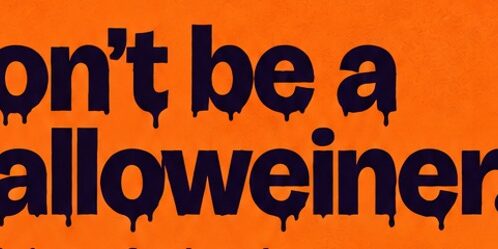
Weird = Halloweiner. Distinctive = Hallowinner.
Like the last Reese’s Peanut Butter Cup in a kid’s Halloween haul, marketers have plenty to devour in Upfluence’s 2026 Halloween marketing study.
Analyzing nearly 400,000 Halloween creator posts, the research found that Halloween’s share of Instagram content increased 3.7 times between early September and early October.
That’s a lot of brands competing for the same spooky spotlight.
But here’s where the research gets interesting. Shein dominated Halloween brand mentions on Instagram, appearing in approximately 22% of branded Halloween posts. Meanwhile, Universal’s Halloween Horror Nights and Disney generated substantially more engagement per TikTok mention.
Volume and attention aren’t the same thing, and neither automatically translates into brand preference.
This distinction matters because somewhere in the race for impressions, marketers have started confusing a memorable stunt with a memorable brand. A campaign can generate millions of views and still not give consumers one reason to choose the product.
The Scariest Costume Is Someone Else’s Brand Personality.
The best seasonal marketing doesn’t just borrow a holiday. It makes the holiday unmistakably its own.
Pringles turned it’s recognizable packaging into a burial urn, which on the one hand feels like a viral stunt, but on the other hand is an unforgettable ode to the brand’s distinctive cylindrical can.
Remove the logo and the concept still has a recognizable connection to the product.
That’s a more meaningful creative test than whether a campaign earns a few days of social media conversation.
For established candy brands such as Hershey’s, Reese’s and 100 Grand, Halloween also demonstrates the commercial power of familiarity. Consumers don’t need every treat reinvented each October. Recognizable packaging, distinctive colors, product shapes and established brand personalities already carry enormous meaning.
The opportunity is to build on those assets creatively, not bury them beneath a costume that could belong to any competitor. That is where most seasonal marketing misses the mark.
The Real Trick Is Building Something That Lasts.
Halloween is a useful reminder that attention is rented, but brand recognition must be earned.
The goal isn’t simply to win Halloween. It’s to build a brand that can show up consistently and uniquely for Diwali, Valentine’s Day, Independence Day and also, the day after Halloween.
The opportunity isn’t to be the loudest brand at the Halloween party.
It’s to be the one everyone remembers when the costumes come off.
As seen in: MediaPost